Description
L-Glutathione (GSH) is a naturally occurring tripeptide composed of L-glutamate, L-cysteine, and glycine, with a distinctive γ-glutamyl linkage between the glutamate side-chain carboxyl and the cysteine α-amine (rather than the typical α-amino peptide bond). This unusual γ-linkage protects glutathione from degradation by standard peptidases and is the key structural feature that distinguishes it from other tripeptides. Glutathione is one of the most extensively characterized intracellular antioxidant molecules in biochemistry, present at millimolar concentrations in most mammalian cells. The compound has been the subject of decades of academic research literature on cellular redox biology, GSH/GSSG cycling kinetics, glutathione peroxidase and glutathione reductase enzyme mechanisms, phase II conjugation reactions in xenobiotic metabolism, and cellular thiol-disulfide chemistry. Glutathione is studied here as a reference compound for redox biochemistry, antioxidant pathway research, and comparative chemistry of natural sulfur-containing peptides.
Benefits (Research Focus)
• Redox biochemistry research — studied for GSH/GSSG cycling kinetics and cellular thiol-disulfide chemistry
• Glutathione peroxidase / reductase research — investigated as substrate for glutathione-utilizing enzymes in enzyme kinetics studies
• Phase II conjugation research — explored for glutathione S-transferase substrate research and xenobiotic conjugation biochemistry
• Cellular antioxidant pathway research — examined for cellular oxidative stress marker research in cell culture systems
• γ-Glutamyl peptide chemistry — researched for the unique γ-linkage SAR properties of natural sulfur-containing peptides
What Researchers Look At
• GSH/GSSG ratio measurements and redox state quantification in cell research models
• Glutathione peroxidase (GPx) and glutathione reductase (GR) enzyme kinetics studies
• Glutathione S-transferase (GST) substrate specificity and conjugation chemistry research
• Cellular thiol redox markers and cysteine pool kinetics
• Comparative biochemistry versus N-acetylcysteine (NAC) and other thiol-containing research compounds
Quick Specs
• Form: Lyophilized white powder
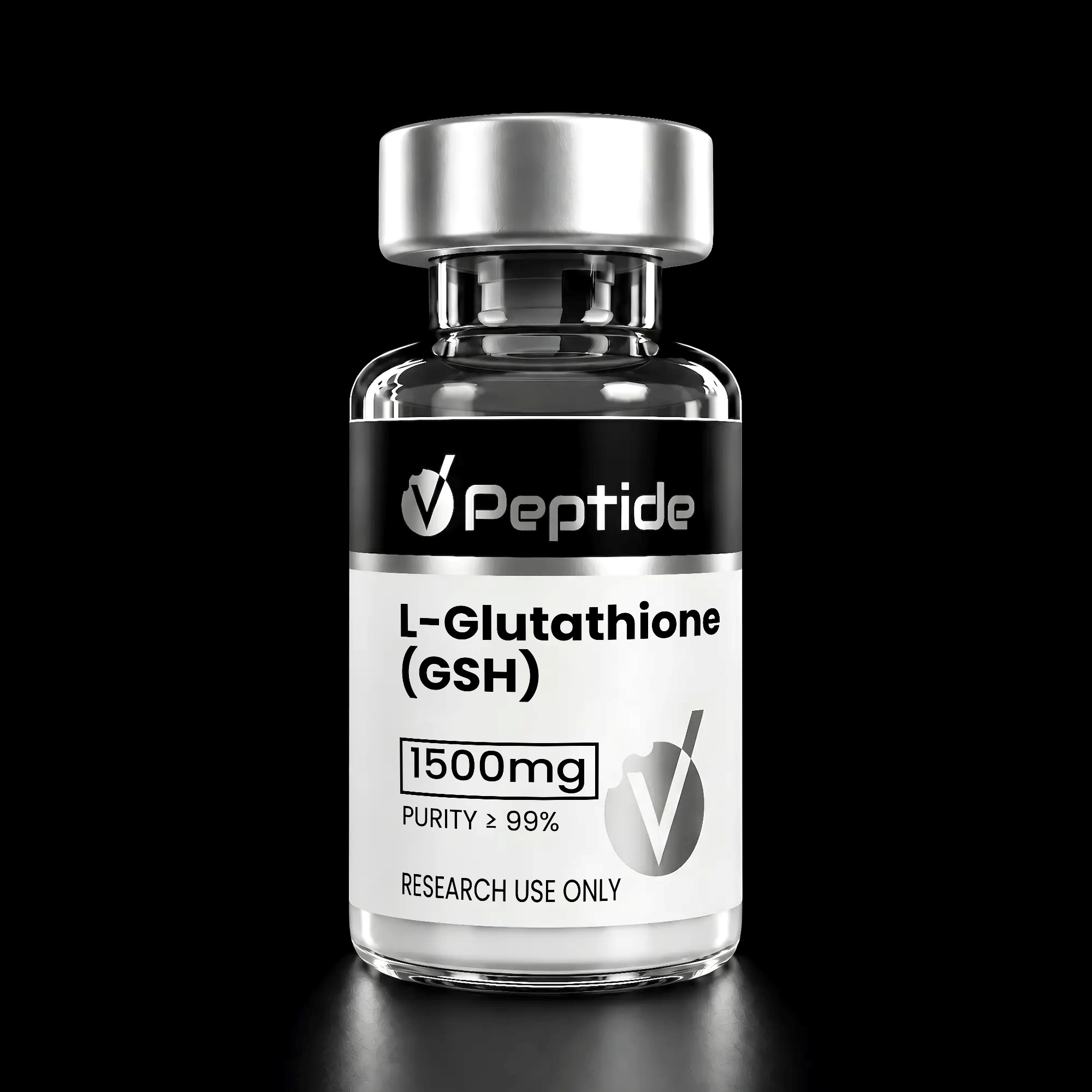
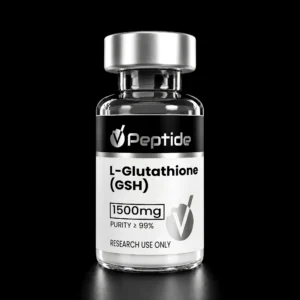
• Net Peptide Content: 1500 mg per vial
• Quantity: 1 vial
• Appearance: White to off-white lyophilizate
• Reconstitution: Bacteriostatic or sterile water (added by the end researcher)
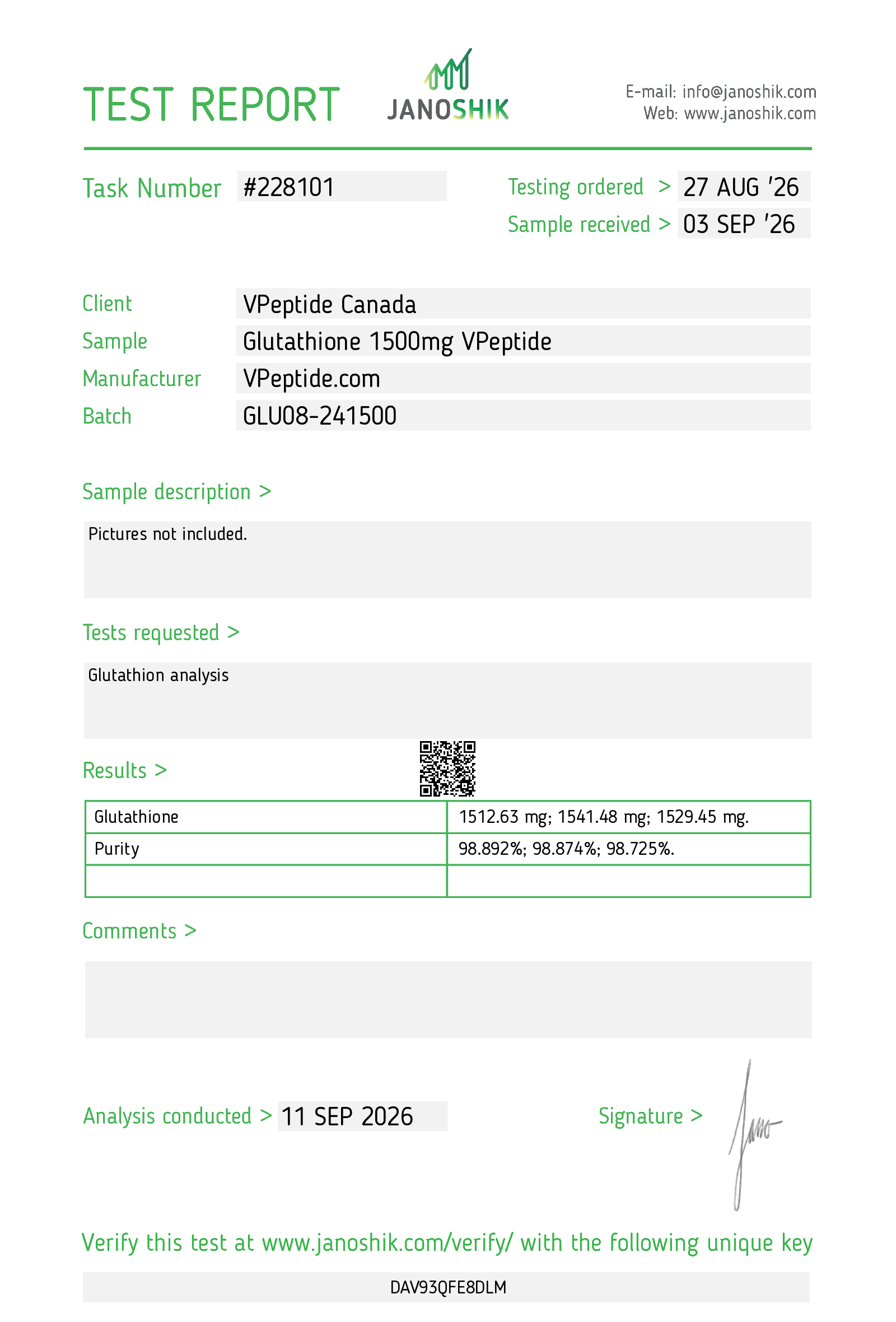
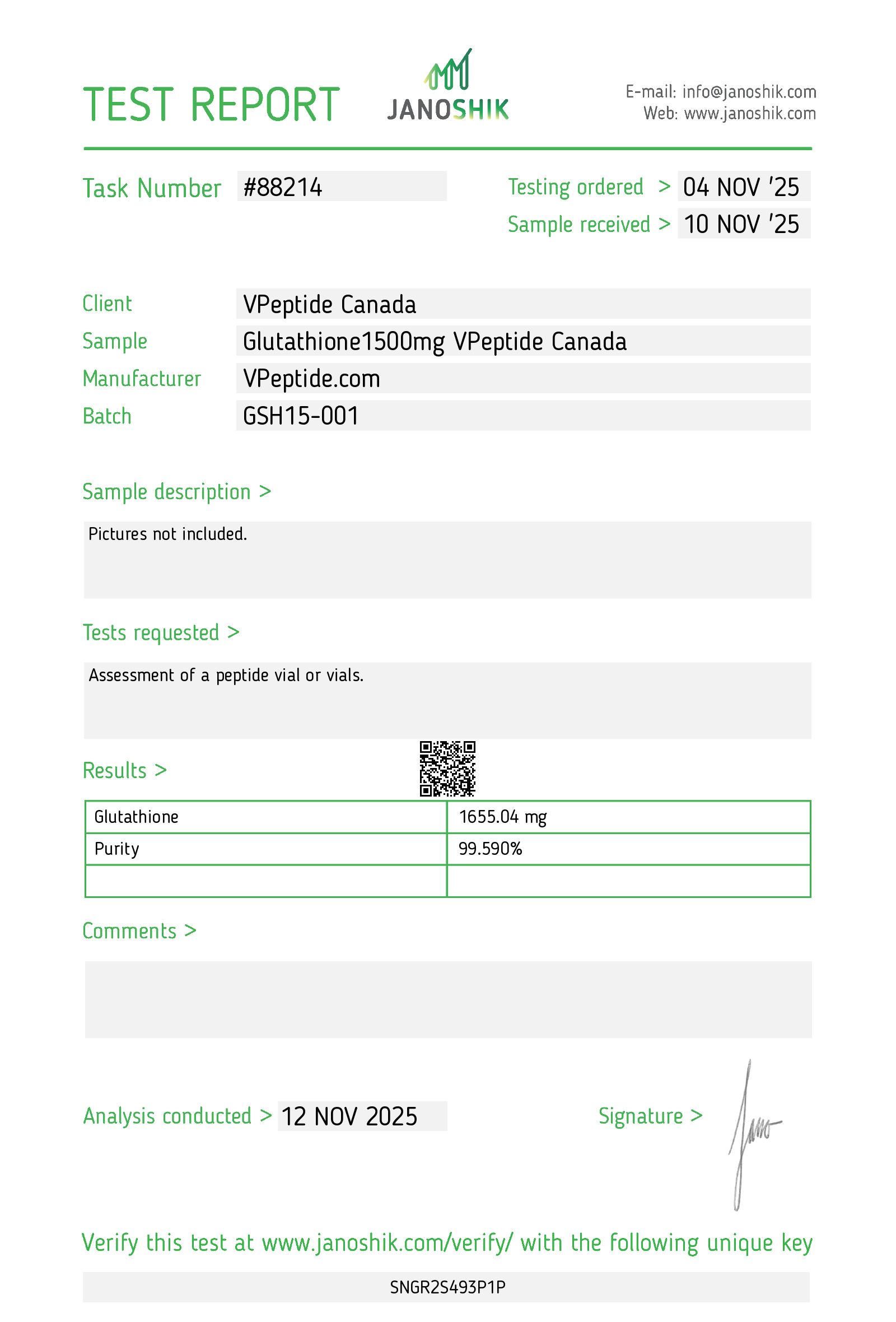
• Purity: ≥99% by HPLC
• Identity: MS-verified (per COA)
• Storage: Protect from light
Identity Basics
• Compound: L-Glutathione (reduced form, GSH)
• Synonyms: GSH; γ-L-Glutamyl-L-cysteinylglycine; reduced glutathione; γ-Glu-Cys-Gly
• Class: Naturally occurring tripeptide with γ-glutamyl linkage; sulfur-containing antioxidant peptide
• Chemical Name: γ-L-Glutamyl-L-cysteinylglycine
• Sequence: γ-Glu-Cys-Gly (with γ-glutamyl linkage, not standard α-peptide bond)
• Formula / M.W.: C10H17N3O6S, ~307.32 g/mol
• CAS: 70-18-8
⚠️ Disclaimer
- This product is intended for laboratory research use only.
- Not for human or veterinary use.
- Not approved for diagnostic, therapeutic, or medical applications.
- Handle using appropriate laboratory safety procedures and personal protective equipment.
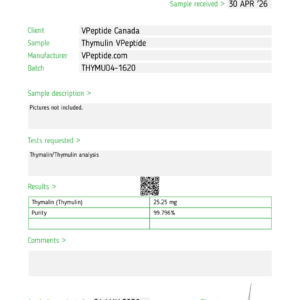
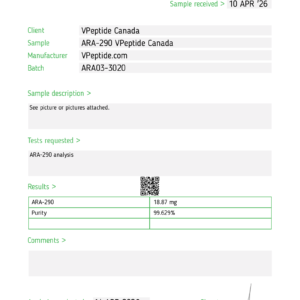
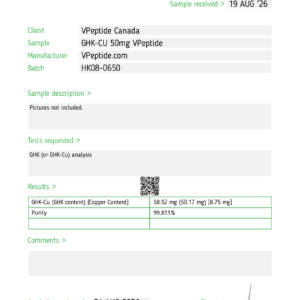
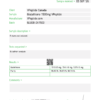
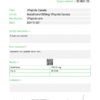
COA Verification Notice: Even if the vial label or product image states a certain concentration, always go by the COA for the true verified value. We reference the COA to determine the verified concentration and purity of each product, regardless of what the label or product image indicates.