Description
P21 (also referred to as P021 or Peptide 21) is a synthetic neurogenic peptide developed by Khalid Iqbal and colleagues at NYU School of Medicine / Nathan S. Kline Institute as a structural mimetic of an active region of CNTF (Ciliary Neurotrophic Factor). The compound was identified through analysis of active components in Cerebrolysin (a complex porcine-derived polypeptide preparation), with the synthetic P21 design incorporating modifications (typically including adamantyl groups for blood-brain barrier penetration and C-terminal amidation for peptidase resistance). P21 has been investigated extensively in the Iqbal-lab preclinical research literature (Bolognin, Blanchard, Wisniewski, and colleagues; multiple Journal of Neuroscience and J. Alzheimer’s Disease publications) for adult hippocampal neurogenesis pathway markers, BDNF gene expression endpoints, dendritic spine density research in rodent models, and tau pathology research models. P21 is one of the few publicly available CNTF-region peptide mimetics with reported blood-brain barrier penetration properties and is used primarily as a research tool for neurogenic peptide pharmacology and Cerebrolysin-component research.
Benefits (Research Focus)
• CNTF mimetic research — studied as a synthetic structural analog of the CNTF active region for neurotrophic peptide pharmacology
• Hippocampal neurogenesis research — investigated for adult neurogenesis pathway markers in rodent research models
• BDNF pathway research — explored for BDNF gene expression endpoints in neuronal cell research models
• Dendritic spine research — examined for dendritic spine density and morphology endpoints in hippocampal research
• Blood-brain barrier penetration research — researched for peptide BBB penetration properties via adamantyl-modified design
What Researchers Look At
• Adult hippocampal neurogenesis markers (BrdU, DCX, Ki67) in rodent research models
• BDNF gene and protein expression in neuronal cell research
• Dendritic spine density and morphology in hippocampal research
• Blood-brain barrier penetration assays and peptide pharmacokinetics
• Comparative pharmacology versus Cerebrolysin and other CNTF-derived research compounds
Quick Specs
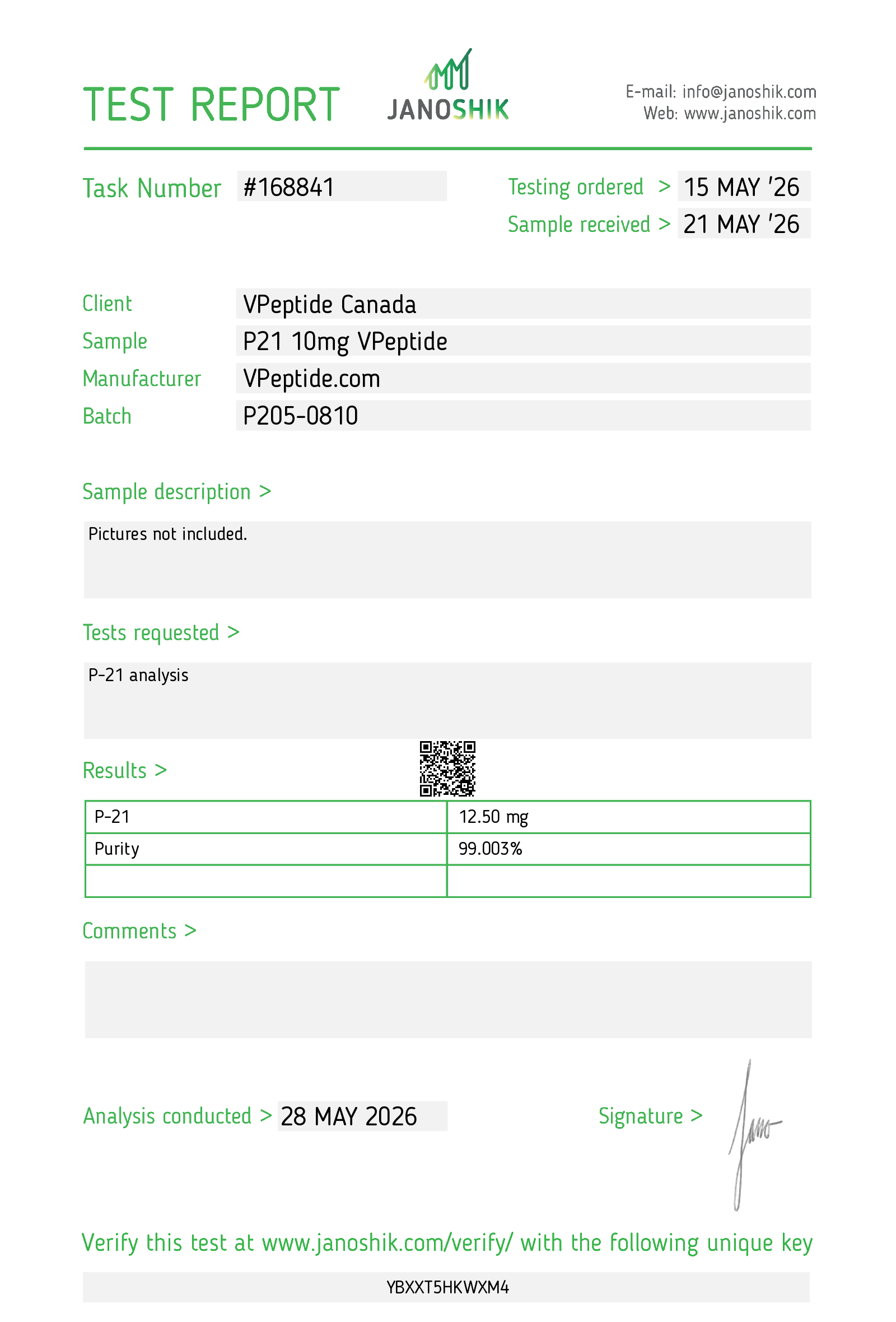
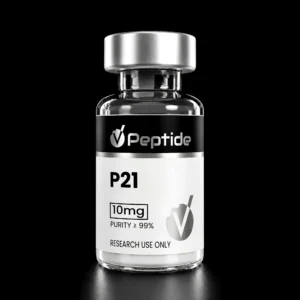
• Form: Lyophilized white powder
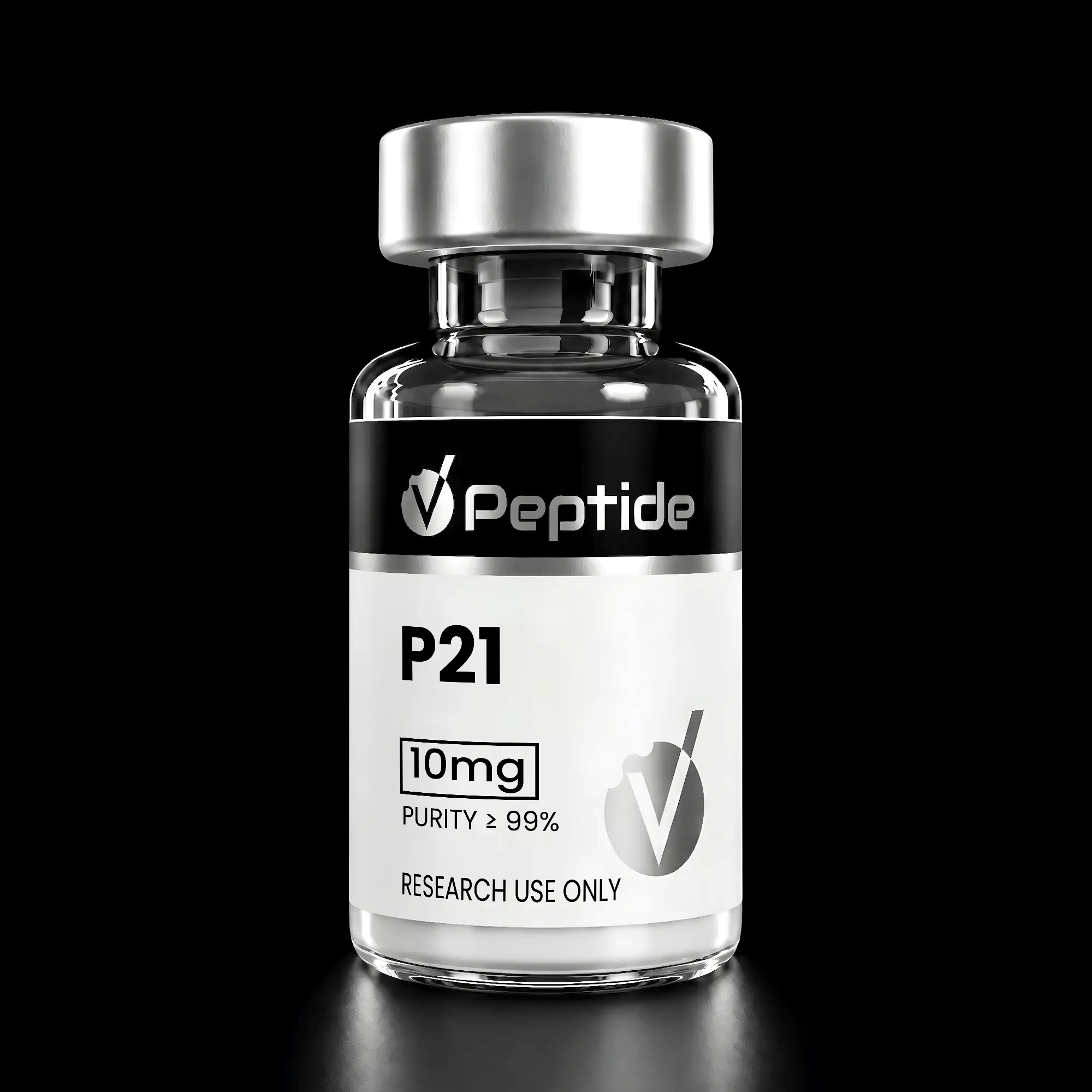
• Net Peptide Content: 10 mg per vial
• Quantity: 1 vial
• Appearance: White to off-white lyophilizate
• Reconstitution: Bacteriostatic or sterile water (added by the end researcher)
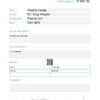
• Purity: ≥99% by HPLC
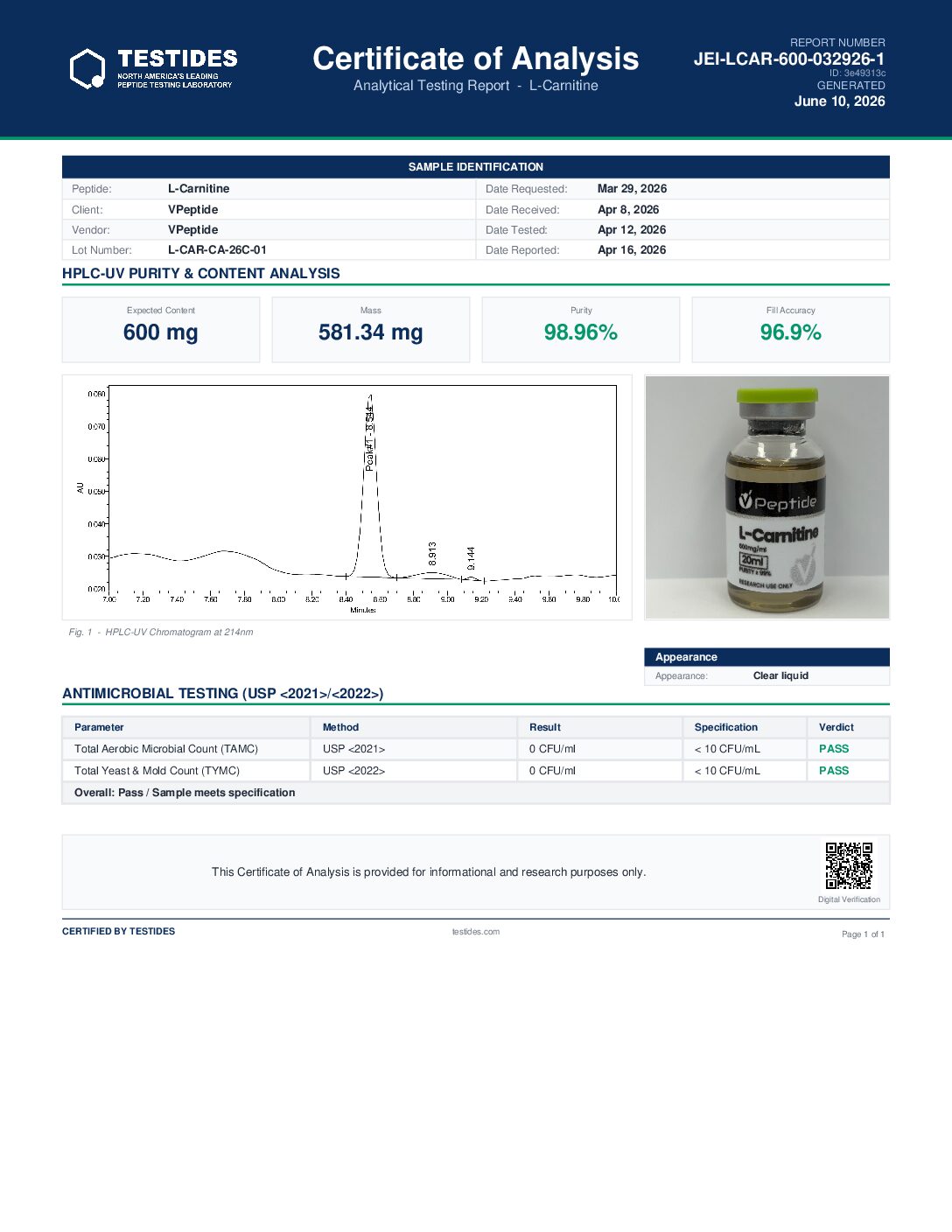
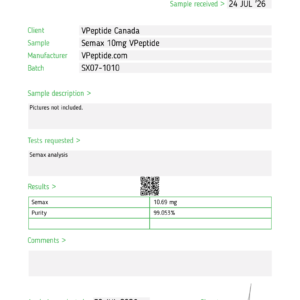
• Identity: MS-verified (per COA)
• Storage: Protect from light
Identity Basics
• Compound: P21 (P021 / Peptide 21)
• Synonyms: P021; Peptide 21; CNTF mimetic; Iqbal-lab neurogenic peptide
• Class: Synthetic neurogenic peptide; CNTF active-region mimetic; modified peptide research analog
• Origin: Developed by Khalid Iqbal and colleagues at NYU School of Medicine / Nathan S. Kline Institute, identified through Cerebrolysin component analysis
• Sequence/Structure: Modified peptide structure incorporating CNTF-region motif with adamantyl or equivalent lipophilic modification; verify exact form against batch COA
• Molecular Weight: Verify against batch COA — published Iqbal-lab P21 is typically in the 500-700 Da range, with significant vendor-to-vendor variation in actual structure
• CAS: Not formally assigned in mainstream chemical databases (research peptide analog)
⚠️ Disclaimer
- This product is intended for laboratory research use only.
- Not for human or veterinary use.
- Not approved for diagnostic, therapeutic, or medical applications.
- Handle using appropriate laboratory safety procedures and personal protective equipment.
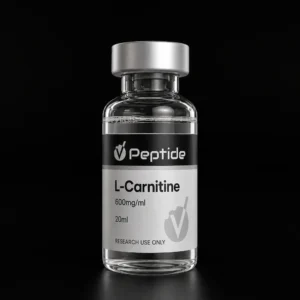
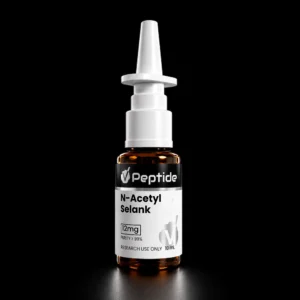
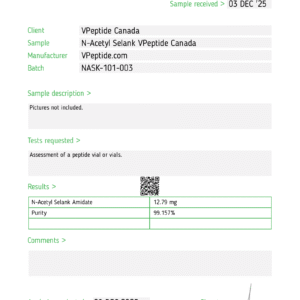
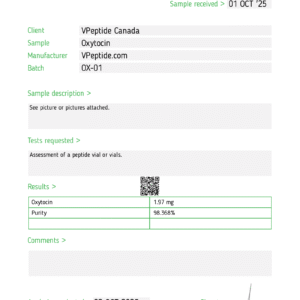
COA Verification Notice: Even if the vial label or product image states a certain concentration, always go by the COA for the true verified value. We reference the COA to determine the verified concentration and purity of each product, regardless of what the label or product image indicates.