Description
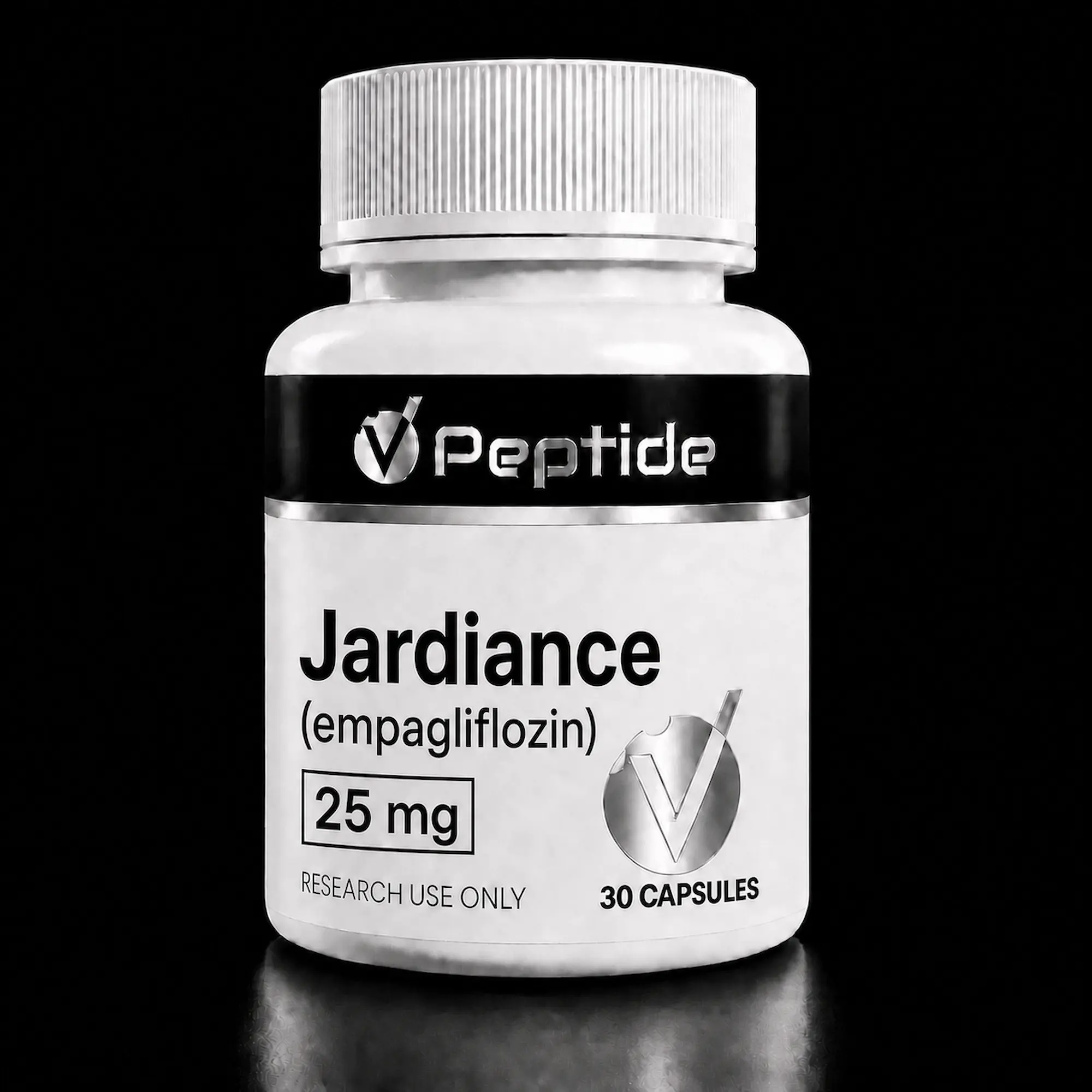
Empagliflozin is a selective SGLT2 (sodium-glucose co-transporter 2) inhibitor small molecule originally developed by Boehringer Ingelheim in partnership with Eli Lilly. Empagliflozin is one of the most extensively-studied members of the SGLT2 inhibitor pharmaceutical class (also known as “gliflozins” or “flozins”) — a class of compounds that has generated substantial recent academic research interest across multiple research streams including SGLT2 pharmacology, glucose transport chemistry, cardio-renal research, metabolic research, and longevity research. Empagliflozin functions through selective inhibition of the SGLT2 transporter in the kidney proximal tubule, preventing glucose reabsorption and causing urinary glucose excretion. This 25mg oral capsule format corresponds to the standard higher-dose format established in the extensive SGLT2 inhibitor research literature. Empagliflozin has been investigated in extensive academic and clinical research literature for SGLT2 receptor pharmacology, glucose transport research, cardio-renal research applications (including outcomes in heart failure and chronic kidney disease research), and comparative research versus other SGLT2 inhibitor research compounds (canagliflozin, dapagliflozin, ertugliflozin, bexagliflozin). The oral capsule format uses microcrystalline cellulose (MCC) as the standard capsule excipient in a gelatin capsule shell. The compound is offered here strictly for laboratory research applications investigating SGLT2 pharmacology and comparative research within the SGLT2 inhibitor research compound class.
Benefits (Research Focus)
• SGLT2 pharmacology research — studied as one of the most-characterized selective SGLT2 inhibitor research compounds in the academic literature
• Glucose transport chemistry research — investigated for sodium-glucose co-transporter chemistry research and transporter selectivity profiles
• Cardio-renal research — explored for cardio-renal research applications in preclinical and clinical research literature
• Comparative SGLT2 inhibitor SAR — examined alongside canagliflozin, dapagliflozin, ertugliflozin, and bexagliflozin for comparative SGLT2 inhibitor structure-activity relationship studies
• Metabolic research — researched for metabolic research endpoints including glucose homeostasis, ketogenesis, and cellular metabolism research
What Researchers Look At
• SGLT2 versus SGLT1 selectivity profiles and transporter inhibition kinetics
• Urinary glucose excretion endpoints in research models
• Cardio-renal research endpoints including cardiac function and renal outcome markers
• Comparative pharmacokinetic profiles across SGLT2 inhibitor research compounds
• Metabolic research endpoints including glucose homeostasis and cellular energy metabolism
Quick Specs
• Form: Gelatin capsule
• Strength: 25 mg empagliflozin per capsule
• Quantity: 30 capsules per bottle
• Total Empagliflozin per Bottle: 750 mg
• Other ingredients: Microcrystalline cellulose (MCC, excipient), gelatin capsule shell
• Appearance: Standard gelatin capsule presentation
• Purity: ≥99%
• Identity: MS-verified (per COA)
• Storage: Protect from light
Identity Basics
• Compound: Empagliflozin
• Synonyms: BI 10773 (Boehringer Ingelheim original development code); selective SGLT2 inhibitor research compound; gliflozin class research compound
• Class: Synthetic small molecule; selective SGLT2 (sodium-glucose co-transporter 2) inhibitor; gliflozin chemistry class; oral SGLT2 research compound
• Mechanism: Selective competitive inhibitor of SGLT2 transporter in kidney proximal tubule; causes urinary glucose excretion by preventing glucose reabsorption
• Originator: Originally developed by Boehringer Ingelheim as BI 10773; subsequently developed in partnership with Eli Lilly
• Formula: C23H27ClO7
• Molecular Weight: ~450.91 g/mol
• CAS: 864070-44-0
⚠️ Disclaimer
- This product is intended for laboratory research use only.
- Not for human or veterinary use.
- Not approved for diagnostic, therapeutic, or medical applications in this presentation.
- Serious documented adverse effects: SGLT2 inhibitors have documented risk of euglycemic diabetic ketoacidosis (euDKA) — a potentially fatal condition that can occur with normal or near-normal blood glucose readings. Additional documented risks include Fournier’s gangrene (necrotizing fasciitis of the perineum — FDA black box warning), genital mycotic infections, volume depletion, and acute kidney injury. Individuals with diabetes, kidney disease, cardiovascular conditions, or on other medications should not use SGLT2 inhibitor products without medical supervision.
- Handle using appropriate laboratory safety procedures and personal protective equipment.
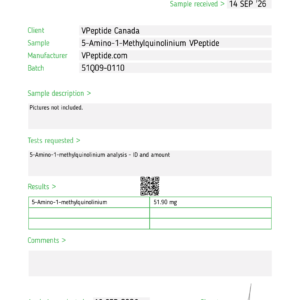
COA Verification Notice: Even if the capsule label or product image states a certain concentration, always go by the COA for the true verified value. We reference the COA to determine the verified concentration and purity of each batch, regardless of what the label or product image indicates.
Third-Party Testing
• [COA links for the Empagliflozin 25mg × 30 capsule batch to be added once analytical testing is complete]