Description
Delta Sleep-Inducing Peptide (DSIP) is a naturally occurring 9-amino-acid neuropeptide first isolated from the cerebral venous blood of sleeping rabbits by Schoenenberger and Monnier in 1977 at the University of Basel, Switzerland. The peptide’s name derives from its association with electroencephalographic (EEG) delta-wave activity in early sleep-physiology research. Despite the historical naming, DSIP’s specific receptor target and mechanism of action remain incompletely characterized in published literature — making it one of the few peptides where the name preceded full pharmacological characterization. The compound is investigated in preclinical research for EEG signal modulation, hypothalamic neuroendocrine signaling, opioid peptide pathway interactions, and chronobiology research models. DSIP has been extensively studied across Russian, German, and Swiss academic literature (Schoenenberger, Iyer, Khavinson, and colleagues) for receptor pharmacology, peptide stability, and structure-activity relationship (SAR) studies of short brain-derived neuropeptides.
Benefits (Research Focus)
• EEG delta-wave research — studied for electroencephalographic signal modulation in chronobiology research models
• Hypothalamic neuroendocrine signaling — investigated for HPA axis endpoint modulation in rodent research
• Opioid peptide pathway interactions — explored for reported interactions with endogenous opioid receptor systems in research models
• Peptide pharmacology research — examined for receptor binding profiles and SAR studies of brain-derived 9-amino-acid peptides
• Antioxidant pathway research — researched for reported antioxidant enzyme activity (SOD, GSH) modulation in cellular research models
What Researchers Look At
• EEG signal characteristics and delta-frequency band activity in chronobiology research
• Receptor binding studies and characterization of putative DSIP receptor targets
• Endogenous opioid peptide (β-endorphin, enkephalin) interaction and competitive binding studies
• Plasma half-life and peptide stability research (DSIP has reported short plasma t½)
• Comparative pharmacology versus other brain-derived neuropeptides in cellular research models
Quick Specs
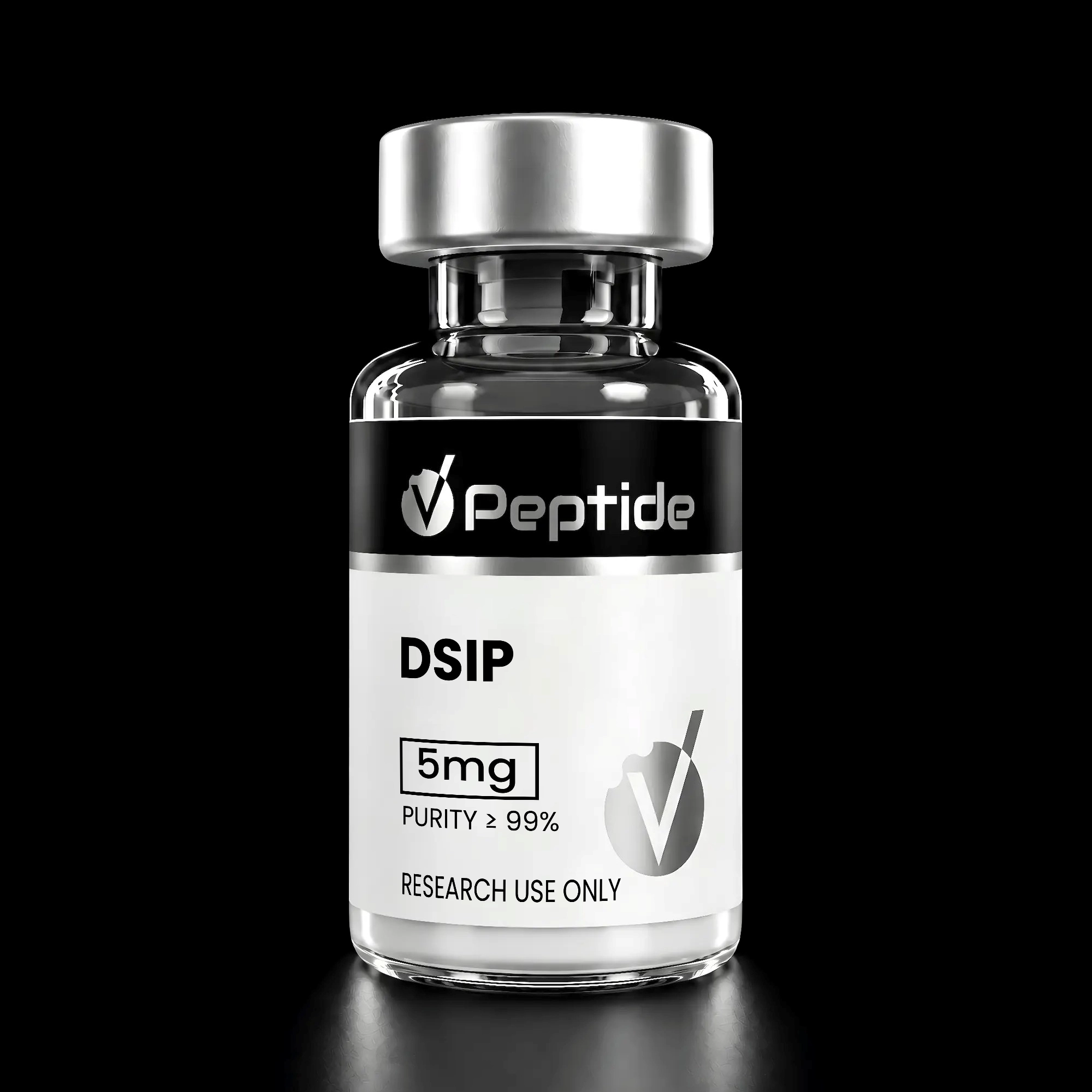
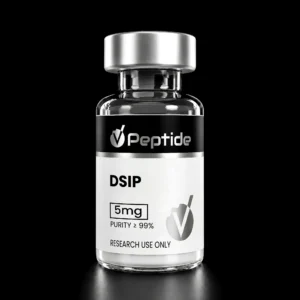
• Form: Lyophilized white powder
• Net Peptide Content: 5 mg per vial
• Quantity: 1 vial
• Appearance: White to off-white lyophilizate
• Reconstitution: Bacteriostatic or sterile water (added by the end researcher)
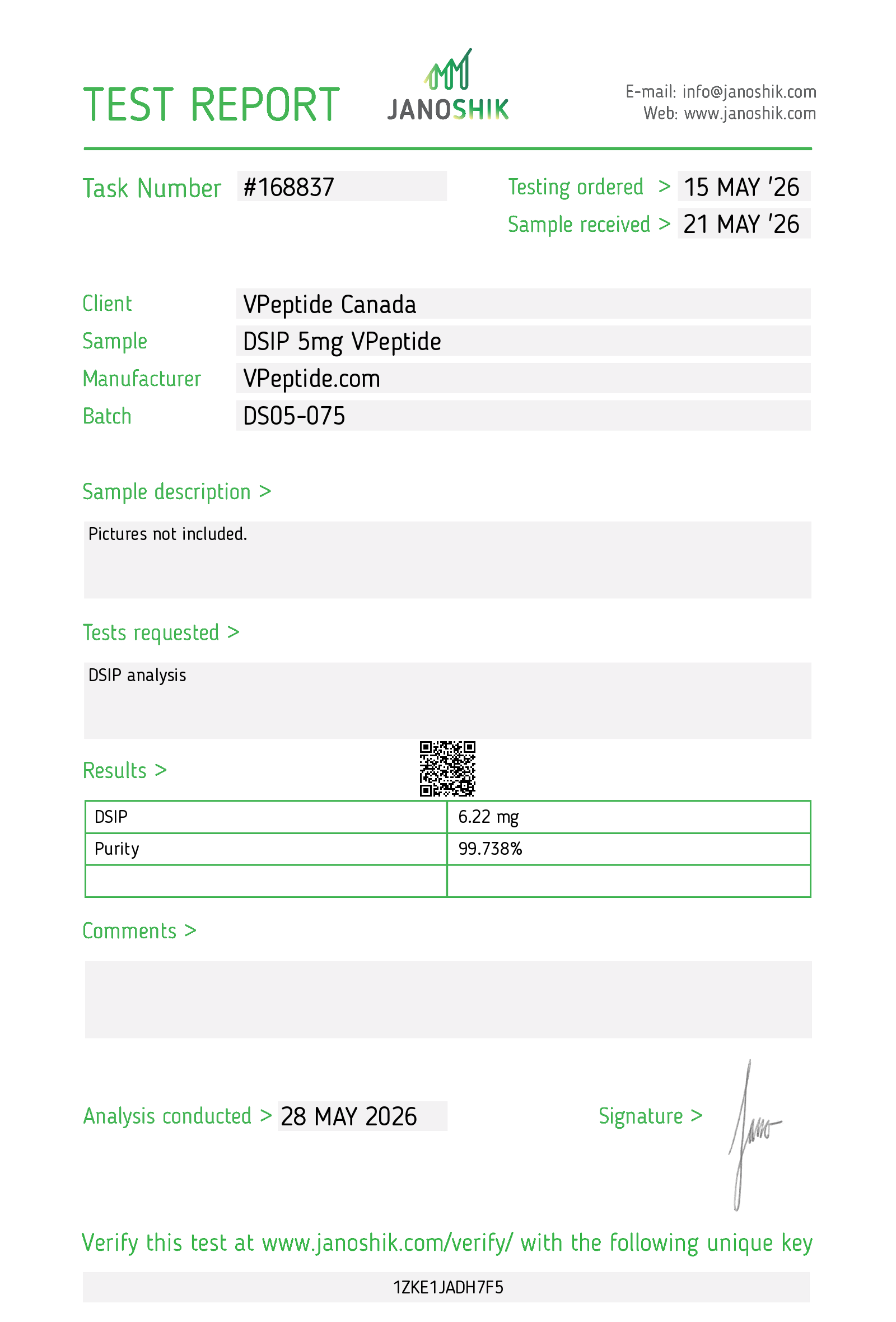
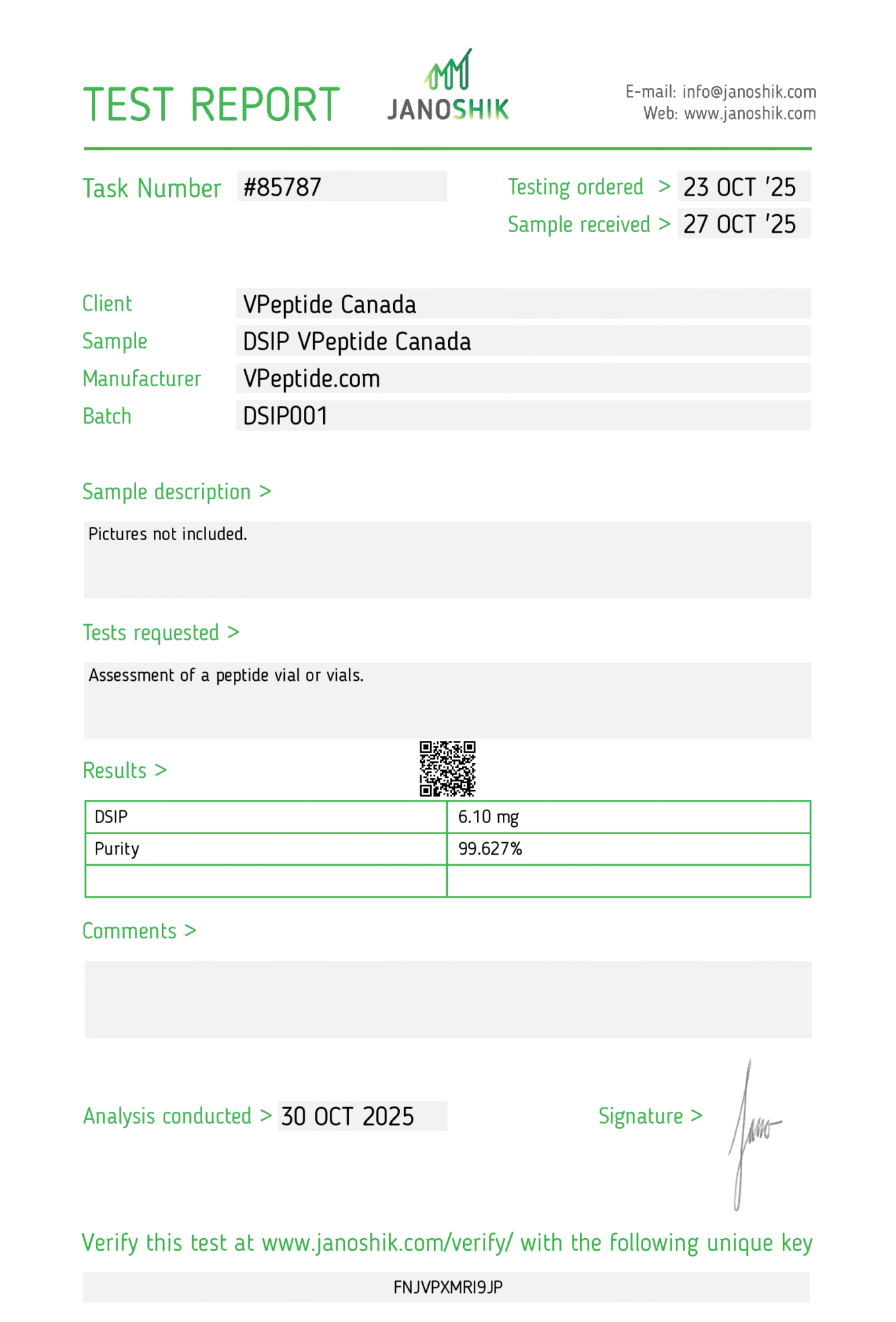
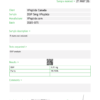
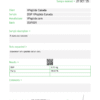
• Purity: ≥99% by HPLC
• Identity: MS-verified (per COA)
• Storage: Protect from light
Identity Basics
• Compound: Delta Sleep-Inducing Peptide (DSIP)
• Synonyms: DSIP; Delta SIP; delta sleep-inducing peptide
• Class: Synthetic 9-amino-acid neuropeptide; brain-derived peptide; uncharacterized receptor target
• Sequence: Trp-Ala-Gly-Gly-Asp-Ala-Ser-Gly-Glu (WAGGDASGE) — 9 amino acids
• Origin: First isolated by Schoenenberger and Monnier (University of Basel, Switzerland, 1977)
• Formula / M.W.: C35H48N10O15, ~848.83 g/mol
• CAS: 62568-57-4
⚠️ Disclaimer
- This product is intended for laboratory research use only.
- Not for human or veterinary use.
- Not approved for diagnostic, therapeutic, or medical applications.
- Handle using appropriate laboratory safety procedures and personal protective equipment.
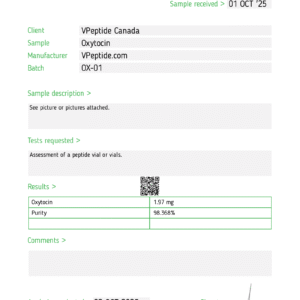
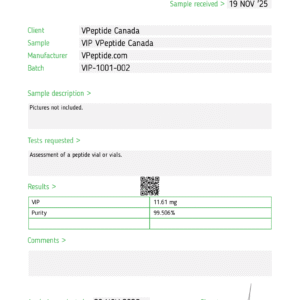
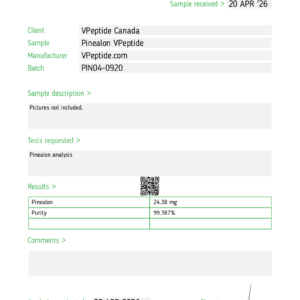
COA Verification Notice: Even if the vial label or product image states a certain concentration, always go by the COA for the true verified value. We reference the COA to determine the verified concentration and purity of each product, regardless of what the label or product image indicates.