Description
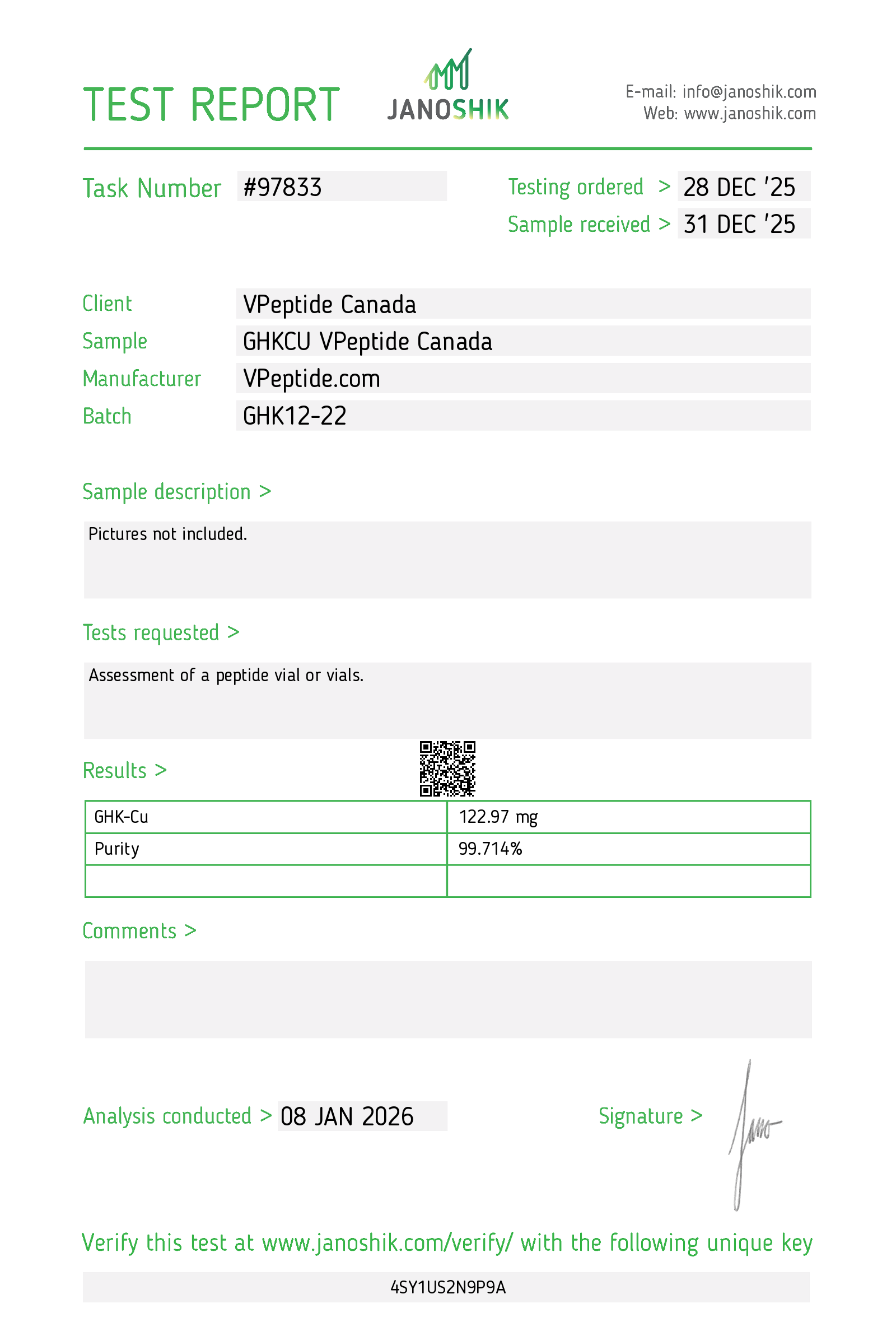
GHK-Cu (Copper Tripeptide-1) is a naturally occurring copper-binding tripeptide composed of glycyl-L-histidyl-L-lysine bound to copper(II) ions. The peptide was originally identified by Loren Pickart in 1973 in human plasma and has since been characterized in saliva, urine, and tissue. Plasma GHK levels decline with age (from ~200 ng/mL in young adults to ~80 ng/mL by age 60), making it a heavily studied compound in dermal biology, fibroblast research, and tissue remodeling literature. GHK-Cu is investigated in preclinical and dermatological research for its effects on collagen and glycosaminoglycan synthesis, fibroblast activation, angiogenesis, copper-dependent enzyme function, antioxidant pathways, and DNA repair gene expression. The 123 mg bulk lyophilized vial is intended for extended research protocols and bulk in vitro / preclinical assay use.
Benefits (Research Focus)
• Fibroblast activation — studied for stimulating fibroblast proliferation and dermal matrix protein synthesis
• Collagen pathway research — investigated for Type I and Type III collagen synthesis and glycosaminoglycan (GAG) production endpoints
• Angiogenesis — explored for VEGF expression and new blood vessel formation in healing tissue models
• Hair follicle biology — examined for dermal papilla cell activation and follicle research in preclinical models
• Copper homeostasis — researched for metal-binding peptide pharmacology and copper-dependent enzyme function in cellular research
What Researchers Look At
• Fibroblast proliferation, Type I/III collagen synthesis, and dermal matrix protein expression
• Glycosaminoglycan (GAG), proteoglycan, and elastin synthesis in dermal research models
• Angiogenesis markers (VEGF, integrins) and endothelial cell migration assays
• Antioxidant pathway gene expression (SOD, glutathione system) in oxidative stress research
• DNA repair pathway gene expression panels (~30% of human DNA repair genes are reported to be GHK-modulated)
Quick Specs
• Form: Lyophilized pale blue powder (color from copper complex)
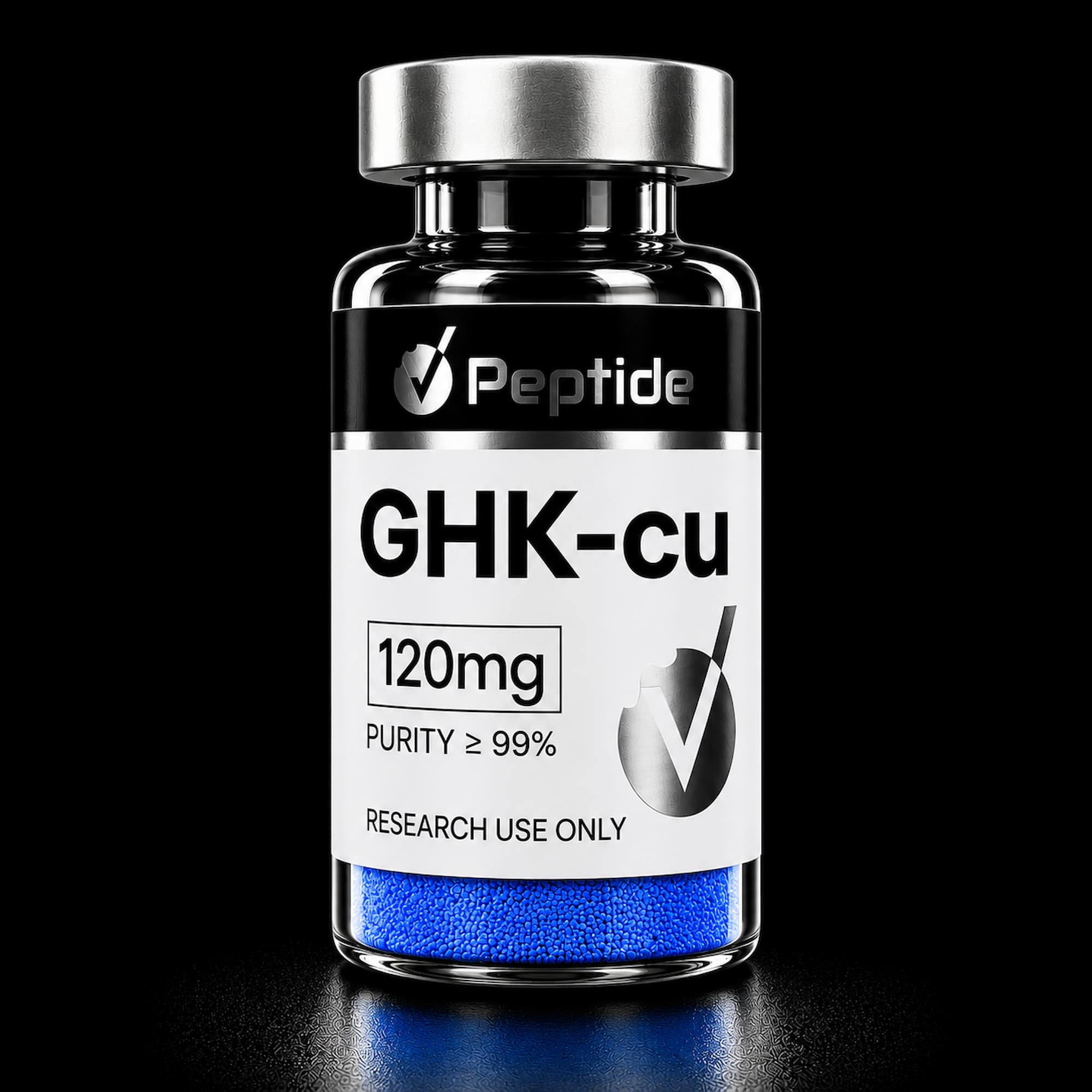
• Net Peptide Content: 120 mg per vial
• Quantity: 1 vial
• Appearance: Pale blue lyophilizate
• Reconstitution: Bacteriostatic or sterile water (added by the end researcher)
• Purity: ≥99% by HPLC
• Identity: MS-verified (per COA)
• Storage: Protect from light
Identity Basics
• Compound: GHK-Cu (Copper Tripeptide-1)
• Synonyms: Copper Peptide-1; Cu-GHK; Glycyl-L-histidyl-L-lysine copper(II) complex; Tripeptide-1 Cu
• Class: Copper-binding tripeptide; bioactive copper(II) coordination complex
• Sequence: Gly-His-Lys (with Cu²⁺ coordination)
• Formula / M.W.: C14H22CuN6O4, ~402.91 g/mol (copper complex)
• CAS: 49557-75-7
⚠️ Disclaimer
-
This product is intended for laboratory research use only.
-
Not for human or veterinary use.
-
Not approved for diagnostic, therapeutic, or medical applications.
-
Handle using appropriate laboratory safety procedures and personal protective equipment.
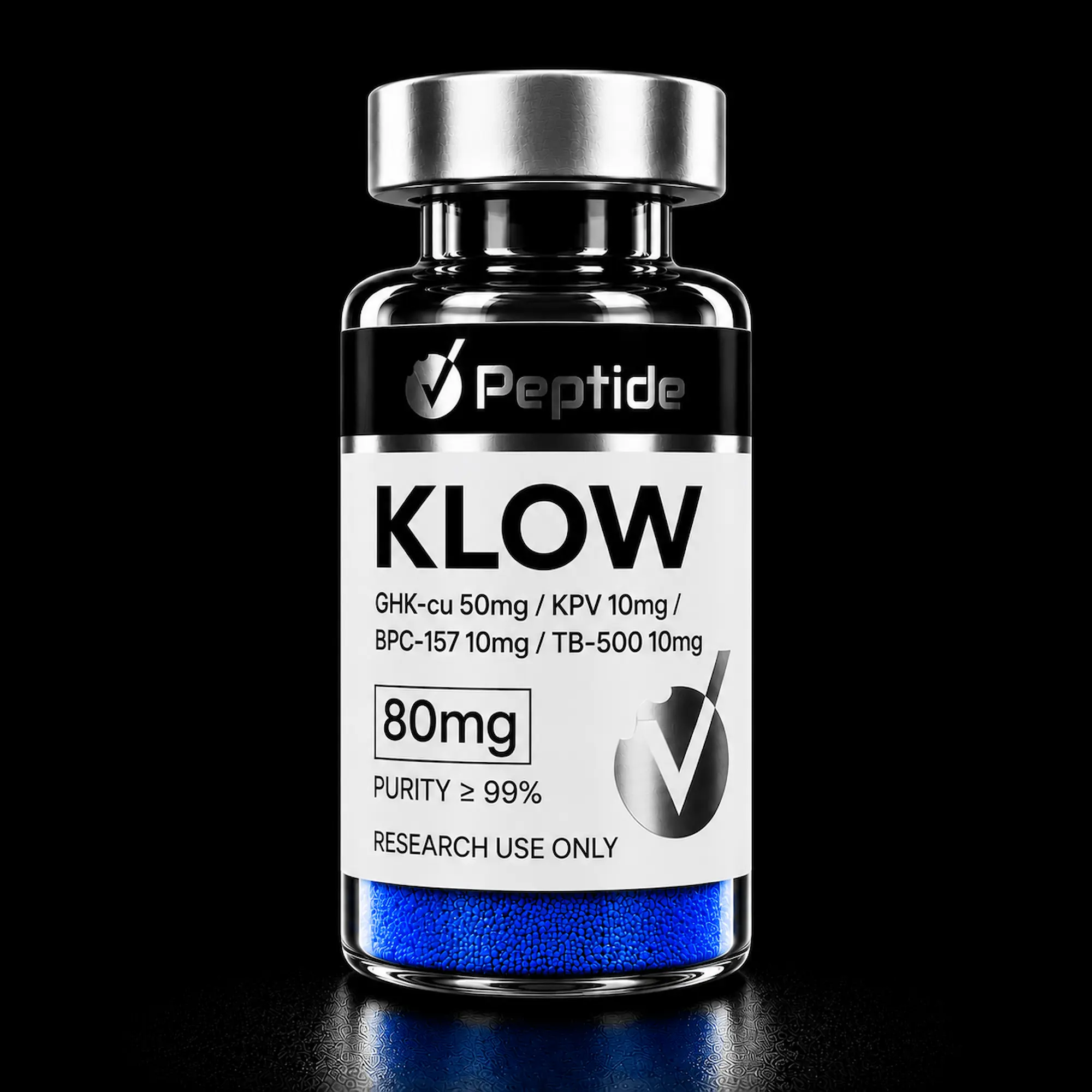
COA Verification Notice: Even if the vial label or product image states a certain concentration, always go by the COA for the true verified value. We reference the COA to determine the verified concentration and purity of each product, regardless of what the label or product image indicates.
Janoshik COA — Third-Party Testing
• GHK-Cu VPeptide Canada — January 8, 2026 (verify date against COA)