Description
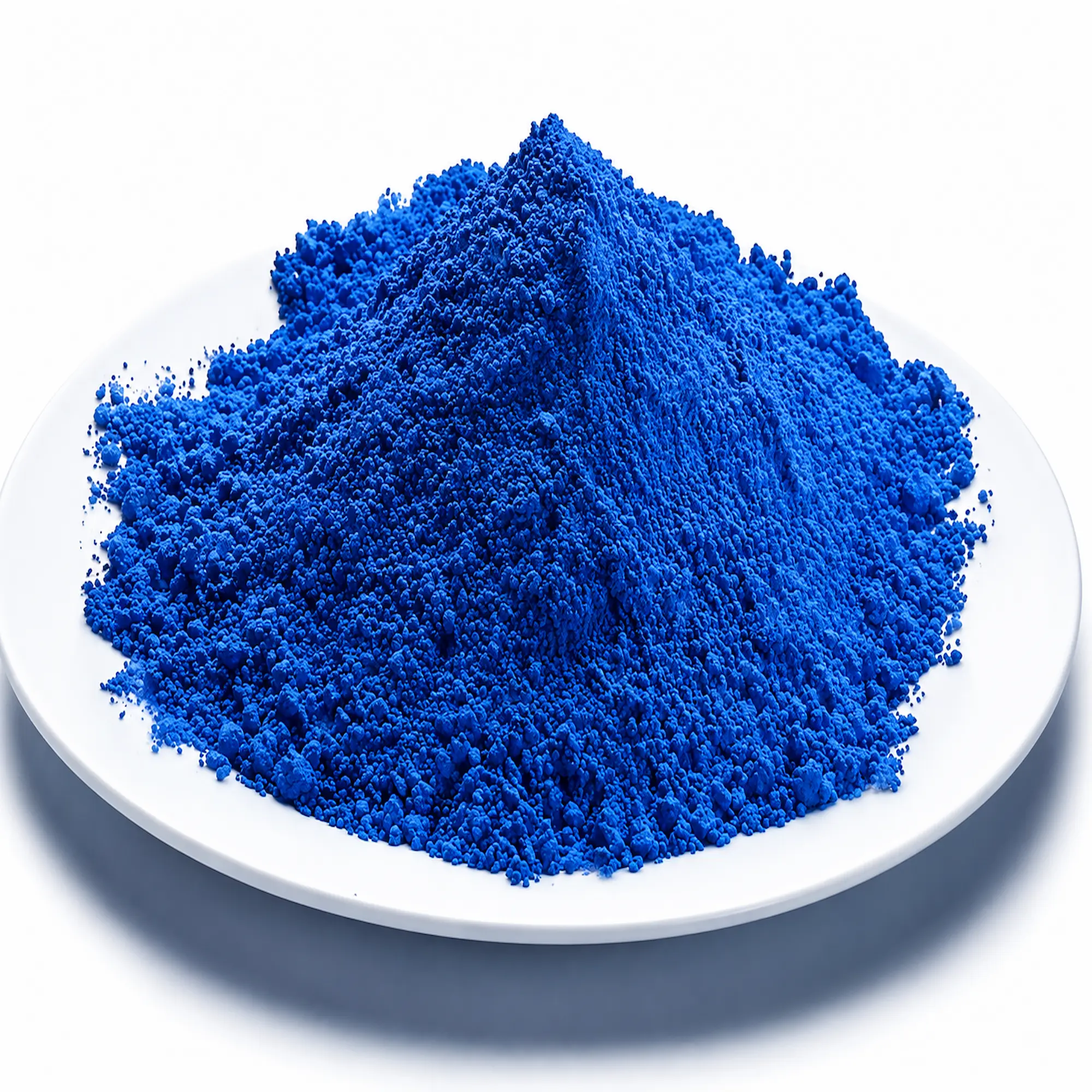
GHK-Cu (Glycyl-L-Histidyl-L-Lysine copper(II) complex) is the original copper-binding tripeptide pioneered by Loren Pickart in the early 1970s and one of the most extensively-studied peptide ingredients across cosmetic, dermatological, and biomedical research literature. The compound consists of the GHK tripeptide (Gly-His-Lys) coordinated to a divalent copper ion (Cu²⁺) through the histidine imidazole and N-terminal amine, forming a stable peptide-copper complex with a characteristic deep blue color. This 1000mg bulk presentation is offered for laboratory research applications, cosmetic formulation development, and extended-protocol research where larger material quantities are required. GHK-Cu has been investigated extensively across decades of academic literature for extracellular matrix protein synthesis research, dermal fibroblast cell biology, hair follicle dermal papilla research, copper coordination chemistry, and wound research models — with research groups led by Pickart, Maquart, Pollard, and others contributing substantially to the published literature. This material is supplied as a high-purity research-grade lyophilized copper peptide complex for laboratory, formulation, and research applications.
Bulk Material Applications
• Cosmetic formulation research — bulk material for formulators developing copper peptide serums, creams, and topical preparations
• Extended research protocols — supports larger-scale or longer-duration research applications requiring substantial material quantities
• Multi-experiment research — single bulk vial supports multiple research workstreams
• Comparative SAR research — sufficient material for comparative studies versus AHK-Cu and other copper peptide analogs
• Reference standard applications — bulk reference material for analytical method development and validation
Research Focus Areas
• Extracellular matrix research — collagen, elastin, and glycosaminoglycan synthesis in fibroblast cell research models
• Copper coordination chemistry — investigated for unique Cu²⁺ binding properties and peptide-metal complex stability
• Fibroblast cell biology — dermal fibroblast proliferation and protein synthesis endpoints
• Hair follicle research — dermal papilla cell research and hair density-related cosmetic chemistry endpoints
• Comparative copper peptide pharmacology — researched alongside AHK-Cu and other copper-binding tripeptides for comparative SAR studies
What Researchers Look At
• Collagen type I and type III synthesis markers in dermal fibroblast research
• Copper binding affinity and peptide-Cu²⁺ complex stability characterization
• Decorin, fibronectin, and other ECM protein expression in fibroblast research models
• Comparative pharmacology versus AHK-Cu (Ala-His-Lys copper) and other copper peptide analogs
• Cosmetic formulation compatibility, stability, and pH sensitivity research
Quick Specs
• Form: Lyophilized blue-violet powder (characteristic of GHK-Cu copper complex)
• Net Peptide Content: 1000 mg (1 gram) per vial
• Quantity: 1 vial
• Appearance: Deep blue to blue-violet lyophilizate (color confirms copper coordination)
• Reconstitution: Bacteriostatic water, sterile water, or formulation-appropriate aqueous solvent
• Purity: ≥99% by HPLC
• Identity: MS-verified (per COA)
• Storage: Protect from light
Identity Basics
• Compound: GHK-Cu (Glycyl-Histidyl-Lysine copper(II) complex)
• Synonyms: Copper tripeptide-1; GHK copper; Gly-His-Lys-Cu²⁺; PC-1 (Procyte trade name historical reference)
• Class: Synthetic copper-binding tripeptide; copper coordination complex; cosmetic and research-grade copper peptide
• Sequence: Gly-His-Lys coordinated to Cu²⁺
• Origin: Originally identified as a naturally occurring plasma tripeptide-copper complex by Loren Pickart (early 1970s)
• Formula: C14H22CuN6O4
• Molecular Weight: ~402.91 g/mol (copper-coordinated complex form)
• CAS: 49557-75-7 (copper complex form); 89030-95-5 (GHK peptide alone, non-coordinated form)
⚠️ Disclaimer
- This product is intended for laboratory research use only.
- Not for human or veterinary use.
- Not approved for diagnostic, therapeutic, or medical applications.
- Handle using appropriate laboratory safety procedures and personal protective equipment.
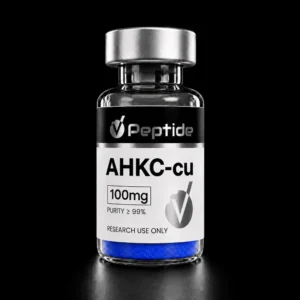
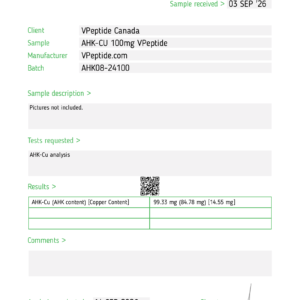
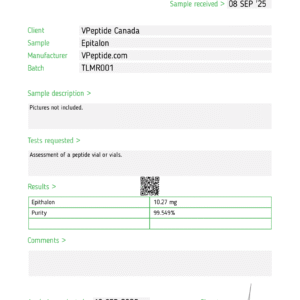
COA Verification Notice: Even if the vial label or product image states a certain concentration, always go by the COA for the true verified value. We reference the COA to determine the verified concentration and purity of each product, regardless of what the label or product image indicates.
Janoshik COA — Third-Party Testing